Zurich center
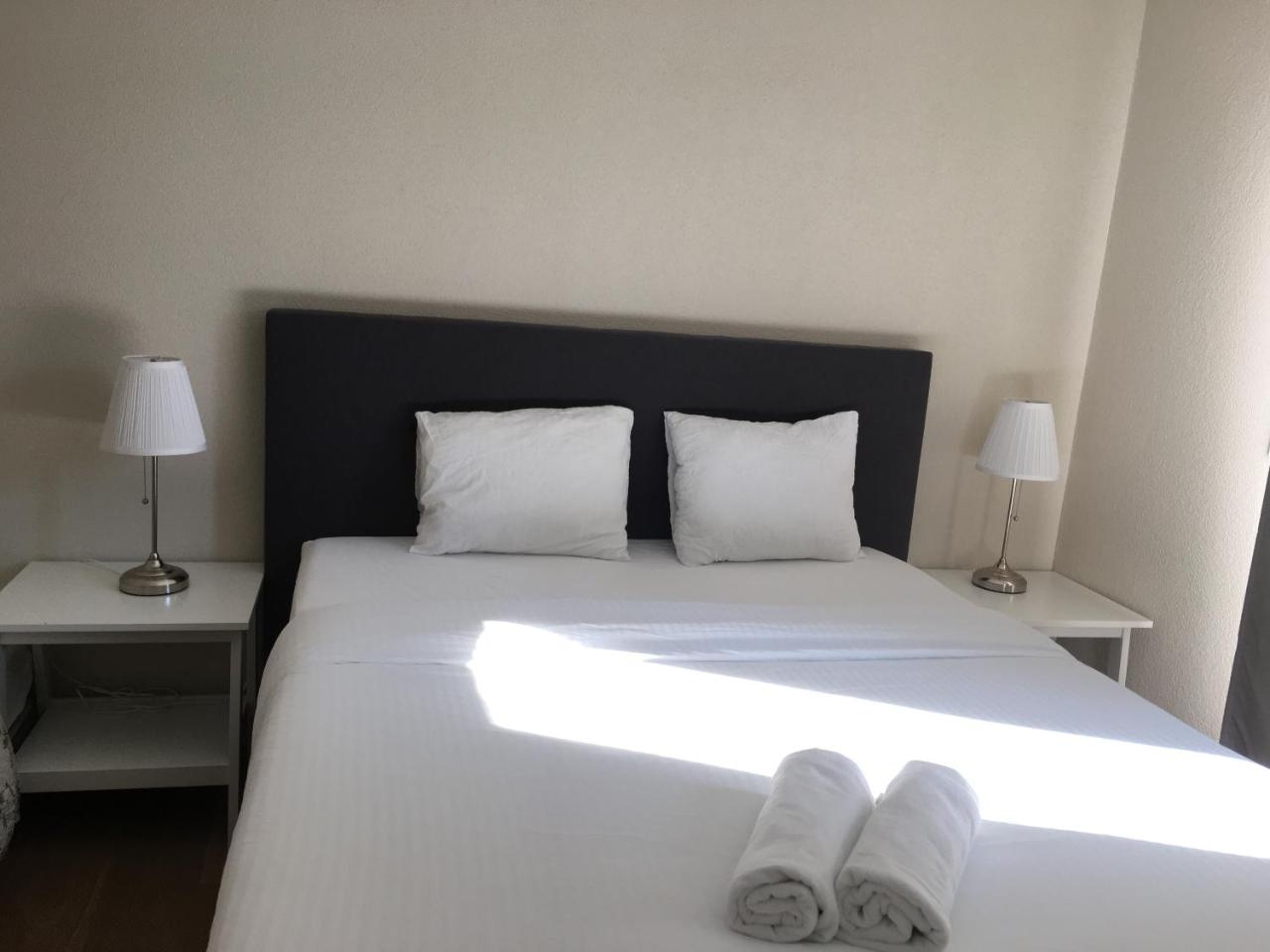
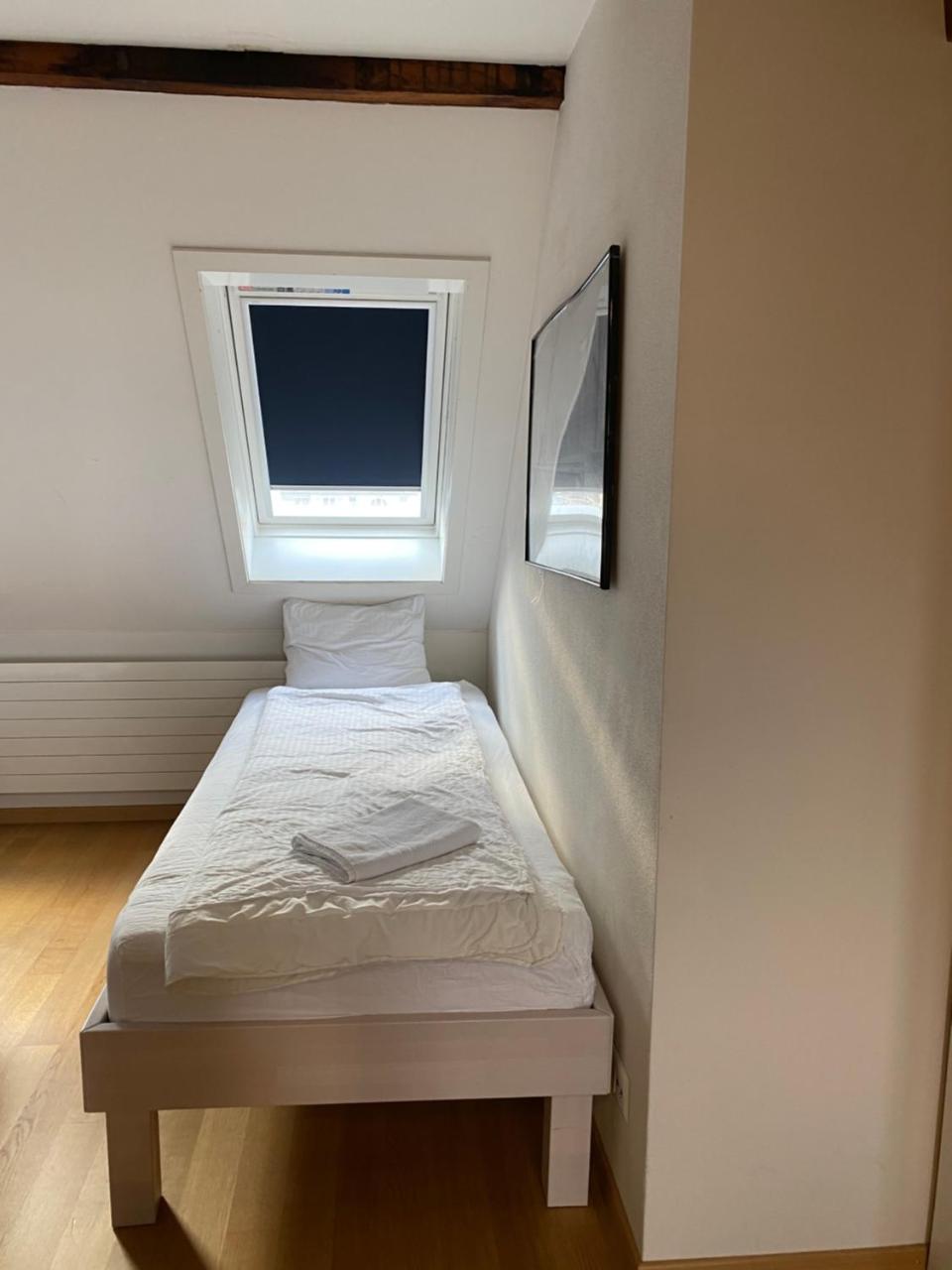
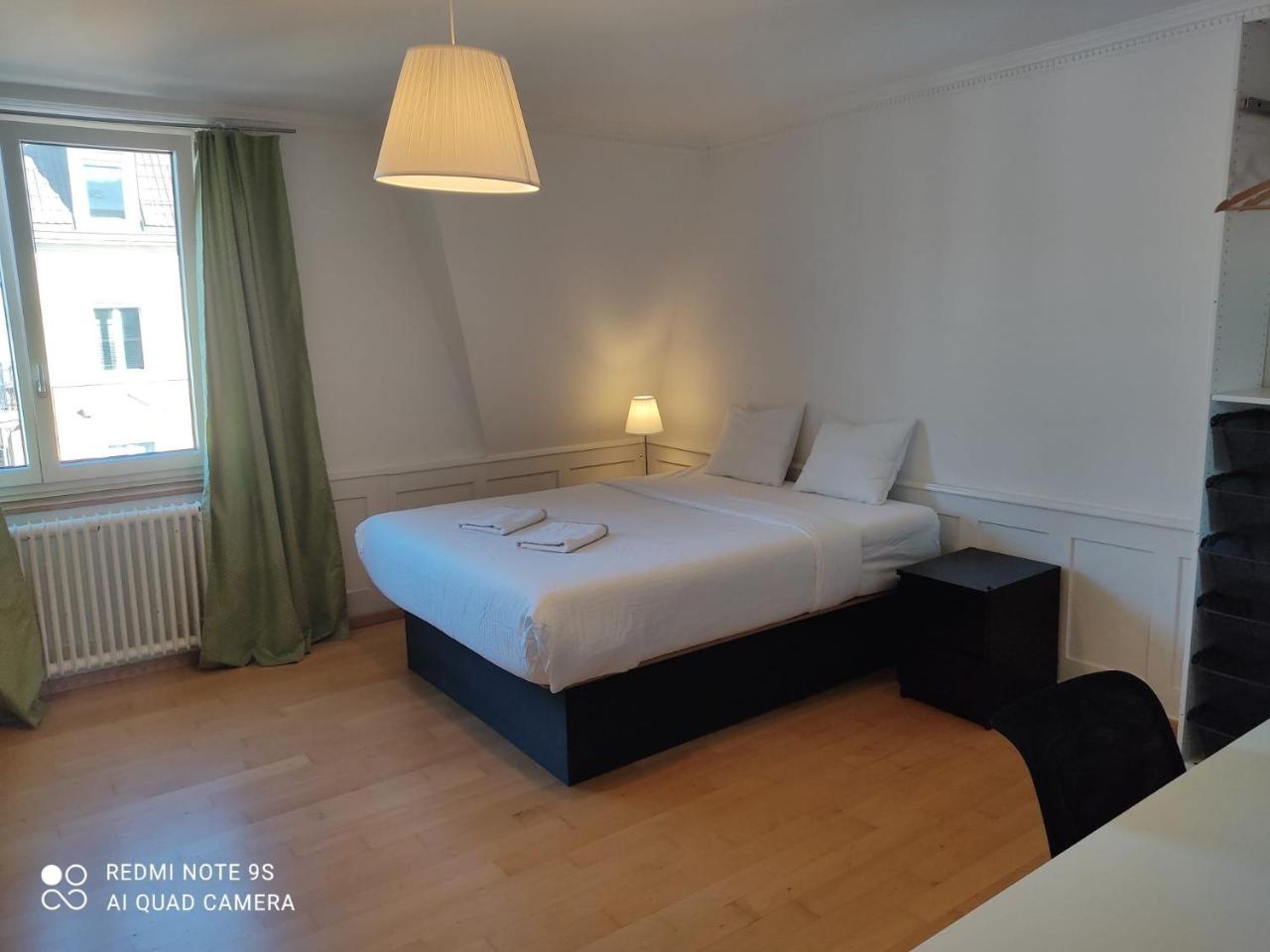
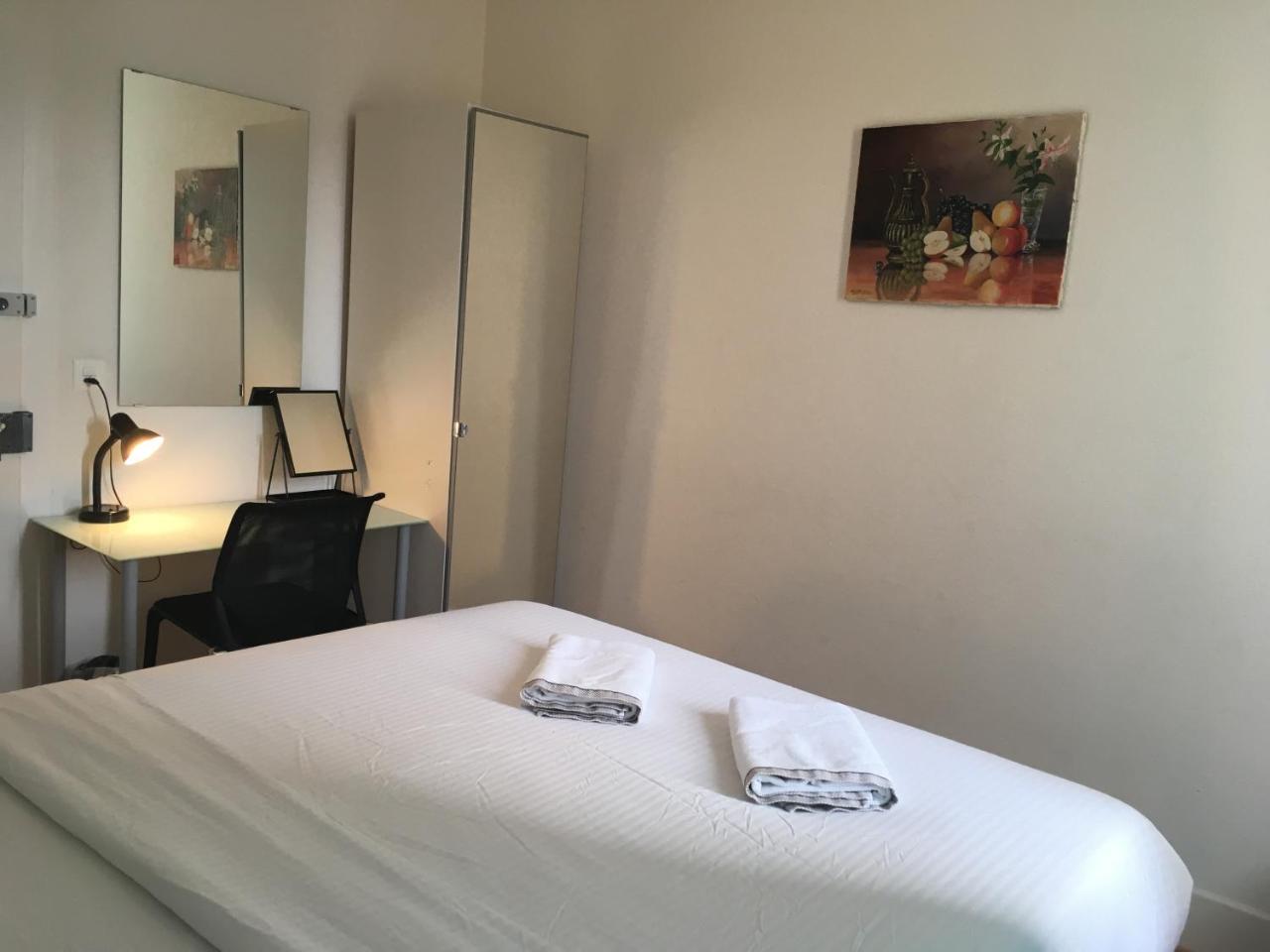
Set in Zürich, 2.2 km from Bahnhofstrasse and 2.3 km from Paradeplatz, Homestay Zurich center offers accommodation with free WiFi and a garden with a terrace and garden views. All units feature a seating area, a dining area, and a fully equipped kitchenette with various cooking facilities, including a dishwasher, a microwave, a fridge and an oven. There is a shared bathroom in each unit with shower and free toiletries. Both a bicycle rental service and a car rental service are available at the homestay. Lindenhof is 2.6 km from Homestay Zurich center, while Museum Rietberg is 2.7 km from the property. The nearest airport is Zurich, 12 km from the accommodation, and the property offers a paid airport shuttle service.
Book a room

See more photos
Booking.com
What to see in Zürich
Zurich (in German Zürich [ˈtsyːʁɪç] or [ˈtsʏrɪç], in French Zurich [Zyʁik], in Italian Zurigo [dzuˈriːɡo], in Romanche Turitg [tumritɕ]) is the largest city of the Swiss Confederation , with a population of 434 783 inhabitants in 2019 and a metropolitan area of 1 456 786 inhabitants. It is the capital of the canton of Zurich and is in the district of Zurich, in the central plain of Switzerland and close to the Alps. It is the financial engine (in Zurich is the international bank) of the country. In 2019, Zurich was classified among the ten most habitable cities in the world for Mercer, along with Basel and Geneva.
The first settlements in the city date back to 15 a. C., with the Foundation of Roman Customs Turicum, and in the 10th century acquired city status. Surrounding the little old town the Kreise (districts) of Zurich are arranged, ordered according to the sense of the clock needles. The modern city serves as a contrast to the historic, thanks to the numerous and avant -garde banks, luxury shops and modern bars and coffees. One of the city's symbols is Lake Zurich.
The origin of the name is the word Celta Turus, as suggested by an inscription in a tomb dating from the Roman occupation in the second century. The Roman name of the town was Turicum, and in the local German dialect of Switzerland is called Züri.